
Ramadan 2024 UAE Schedule: Key Dates and Insights

Intro
Ramadan, a month of profound spiritual significance for Muslims around the globe, is not just about fasting and prayer. In the UAE, this holy period unfolds a rich tapestry of cultural practices and communal activities that affect various sectors, notably real estate. As this observance approaches in 2024, understanding its implications on daily life, community interactions, and the market dynamics becomes increasingly important for investors, real estate developers, and community members alike.
The intersection of Ramadan and real estate in the UAE, particularly in vibrant cities like Dubai, offers unique opportunities and challenges that require scrutiny. It’s not merely about buying and selling properties during this time; it’s about grasping how the holy month infuses life into the local economy, shaping investment strategies and altering the behavioral patterns of both buyers and renters.
Market Insights
In the context of Ramadan, the real estate market in the UAE shows distinct characteristics. It is essential for potential investors to comprehend these nuances to leverage opportunities effectively.
Current Property Trends
During Ramadan, property demand often sees fluctuations aligned with cultural practices. As families come together to break their fast and celebrate the month, the desire for larger homes or apartments with communal spaces spikes. Suburban regions, for instance, are gaining traction as families seek quieter locales to engage in spiritual practices away from urban hustle.
A noticeable trend is the rise in short-term rentals, as tourists or family members from abroad visit during this time for observation of the holy month. Hence, properties positioned strategically for both expatriates and locals can witness an uptick in interest.
Pricing Analysis
Prices may not witness drastic changes solely due to Ramadan; however, certain hotspots do tend to tighten, especially where community engagements are high. Real estate prices in areas hosting significant events, such as iftar dinners or charity events, often show an upward trend because of increased visits and foot traffic.
For example, neighborhoods like Downtown Dubai and Jumeirah frequently experience this phenomenon, making property investments in these areas potentially lucrative.
"Understanding the shifts in the market during Ramadan can prepare investors to seize the moment and navigate the intricacies that come with it."
Investment Strategies
In light of the above trends, aligning investment strategies with the ethos of Ramadan is prudent.
Tips for First-Time Investors
- Research Local Customs: Understanding local traditions during Ramadan can provide insights into property desirability. For instance, properties within walking distance of mosques often garner more interest.
- Focus on Community Amenities: Look for properties that offer communal spaces conducive to gatherings, a value many seek during this holy month.
- Consult Local Experts: Engaging with real estate agents familiar with Ramadan dynamics can enhance decision-making processes.
Long-Term vs. Short-Term Investments
While short-term investments in rental units may attract attention during Ramadan, long-term investments often yield steadier returns.
- Short-Term: Ideal for those looking to capitalize on the influx of visitors and families during Ramadan. Locations close to mosques and cultural centers see high demand.
- Long-Term: Properties in family-oriented locales remain a safe bet, offering steady returns even after Ramadan ends. Stability often prevails post-Ramadan as the influx subsides, and property values normalize.
Understanding Ramadan and Its Importance
Understanding Ramadan and its importance is essential, not just for the Muslim community but for anyone seeking insight into the cultural and spiritual intricacies celebrated during this holy month. Ramadan serves as an annual reminder of self-reflection, community, and personal growth. It’s a period where practices and traditions meld with individual experiences, profoundly affecting daily life, commerce, and even social interactions in the UAE.
Historical Context of Ramadan
To appreciate the depth of Ramadan, it's crucial to explore its historical roots. Ramadan, observed in the ninth month of the Islamic lunar calendar, commemorates the month during which the Quran was first revealed to the Prophet Muhammad. The significance of fasting during this time originates from the Quran itself, in which it is decreed that Muslims must abstain from food, drink, and other physical needs from dawn until sunset.
This historical context enriches our understanding of how Ramadan has evolved over centuries. The practices we observe today emanate from traditions dating back to the 7th century, rooted in the teachings of Islam. Various cultures integrated their unique customs and traditions into the celebrations, resulting in diverse ways Ramadan is observed across the globe. For instance, a lavish Iftar, breaking the fast after sunset, has become a communal affair in many societies, showcasing a fusion of culinary delights native to each region.
Here are some key elements of the historical significance:
- Spiritual Reflections: Muslims engage in deeper spiritual practices during Ramadan, which foster a stronger bond with God.
- Cultural Heritage: Traditions passed through generations influence the communal and familial aspects of the month.
- Charity as a Tradition: Almsgiving, or Zakat, becomes more emphasized, reflecting a collective commitment to the well-being of the less fortunate.
Spiritual Significance in Islam
At its core, Ramadan is a deeply spiritual journey aimed at promoting self-discipline, empathy, and compassion. It serves as a time for believers to reconnect with their faith and strive for personal growth. The act of fasting is not merely physical; it embodies mental fortitude and spiritual resilience.
The spiritual emphasis during Ramadan can be illustrated through various practices:
- Prayer and Reflection: Increased attendance to nightly prayers, known as Taraweeh, highlights the focus on spiritual engagement. These additional prayers are not just routine; they signify a communal gathering in devotion.
- Self-Control and Discipline: Abstaining from daily pleasures trains individuals to practice moderation and awareness. The experience fosters a sense of gratitude for life's blessings, nurturing an appreciation that may often be overlooked in the hustle and bustle of everyday life.
- Unity and Compassion: The month encourages a sense of solidarity among Muslims worldwide. Experiencing hunger and thirst stimulates empathy for those less fortunate, reinforcing the Islamic principle that charity is a fundamental aspect of faith.
"Fasting is not just an abstention from food and drink; it is a profound journey toward spiritual awakening and a reminder of life's essential values."
In summary, understanding Ramadan's rich historical roots and spiritual significance equips us with a more profound appreciation for its observance in diverse communities, including those in the UAE. The period shapes not only personal experiences but the broader societal context as well, allowing for a meaningful discourse that goes beyond mere rituals and traditions.
Ramadan 2024: Dates and Timing Overview
The timing overview for Ramadan 2024 is an essential component for anyone keen on understanding the rhythm of life during this sacred month in the UAE. Navigating these dates is not just about knowing when the fasting begins and ends, but rather it is about embracing a deeper significance tied to each moment. As Ramadan approaches, the community gears up for spiritual reflection, increased prayers, and acts of kindness which all hinge on these key dates.
Understanding the intricacies of the start and end dates can greatly assist individuals and families in planning their days, ensuring that all preparations for both the fast are timed perfectly. Similarly, with the holy month occurring during different months each year due to the lunar Islamic calendar, it is crucial for residents and visitors alike to stay informed about this variablity which is integral to the experience.
Start and End Dates of Ramadan
In 2024, Ramadan is expected to begin around the evening of Sunday, March 10, concluding with Eid al-Fitr on Tuesday, April 9. However, mark your calendars for possible shifts based on the moon sighting, which remains an age-old practice amongst Muslims worldwide. Community mosques and local authorities will typically announce the official commencement of Ramadan, adding an extra layer of excitement and anticipation as families gather to break their fast together.
The starting and ending dates of Ramadan can differ depending on where one is located. For instance, while Abu Dhabi might officially declare the start on a specific evening, Dubai might follow close behind. The tradition emphasizes the need for collective observance, cementing bonds among Muslims and fostering unity within the community.
Calculation of the Moon Sighting
Moon sighting is not just a practice; it acts as the determining factor for the beginning of Ramadan. The Islamic calendar is lunar, meaning it follows the moon's cycle. The actual sighting occurs at dusk when the new moon appears, and it's traditionally done using the naked eye, although advanced technology lets folks double-check with a level of precision.
In the UAE, the moon sighting committee, full of volunteers and enthusiasts, plays a pivotal role during Ramadan. When the community gathers to witness the moon on the 29th day of the previous month, Shaban, it can create a profound sense of belonging, as thousands await that one crescent to usher in the month of fasting.
"The moon sighting experience is as important as the fasting itself; it's about community, connection, and a deep-rooted tradition that shapes our spiritual lives."
This anticipation isn't simply about knowing when to begin fasting; it also reflects the deep respect for traditions that spans generations. Furthermore, this communal activity represents the heart of Ramadan, reminding everyone of the rituals that bind them together.
For those interested in learning more about the intricacies of the Islamic lunar calendar and specific moon sighting practices, further readings might be beneficial. You can check resources such as IslamicFinder or agricultural society announcements from local mosques to enhance your understanding of how these timings are traditionally established.
Daily Fasting Schedule
The Daily Fasting Schedule during Ramadan is not merely about abstaining from food; it encapsulates the rhythm of life for Muslims across the globe, particularly in the UAE. This schedule marks a significant period where spiritual commitment intertwines with daily activities, including work, family gatherings, and community events. A deep understanding of the fasting hours allows individuals to plan their schedules more effectively, balancing the demands of the month with everyday responsibilities.
Fasting during Ramadan isn’t just a test of physical endurance; it’s an opportunity for reflection, spiritual growth, and strengthening one’s faith. The structure of daily fasting can lead to numerous benefits, such as fostering self-discipline, enhancing empathy towards those in need, and developing a greater appreciation for the blessings often taken for granted.
Pre-Dawn Meal: Suhoor Timings


Suhoor, the meal eaten before dawn, carries great significance in the daily fasting schedule. In 2024, Suhoor timings will likely begin around 4:30 AM when the first light begins to dawn, though it varies slightly based on one's location within the UAE. Eating a well-balanced Suhoor can be the difference between a day filled with energy and one marked by fatigue.
Just imagine starting the day with a hearty plate of chickpea stew or a bowl of oatmeal, rich in fiber. This is essential because it keeps you full longer, curbing hunger pangs as the hours drag on. Hydration, too, is crucial during this pre-dawn meal. Engaging in a mix of fluids can sustain an individual through the day. Here are some practical tips for an effective Suhoor:
- Opt for protein-rich foods such as eggs or dairy.
- Include complex carbohydrates like whole grains to prolong energy release.
- Stay hydrated by drinking ample water or natural juices.
"Eating a good Suhoor is like filling up the tank of your car; the better your fuel, the further you go."
Breaking the Fast: Iftar Timings
The Iftar marks the end of the day’s fast and holds a delightful anticipation. As the sun sets, which will be around 6:45 PM in 2024, the sound of the adhan (call to prayer) signals the moment when Muslims can finally enjoy food and drink again. Iftar is often a communal experience, celebrated with family and friends, offering a unique opportunity to bond and share in the spirit of Ramadan.
Traditionally, breaking fast begins with dates and water, reflecting practices from the time of the Prophet Muhammad. Following this, the meal can include a rich assortment of dishes—perhaps lentil soup, salads, or grilled meats, often accompanied by Arabic bread. The diversity of the dining table during Iftar mirrors the cultural richness of the UAE.
To make the most of Iftar, consider the following recommendations:
- Start with hydration: Water should be your first priority.
- Enjoy small portions initially, as it can prevent discomfort and helps in digestion.
- Socialize while enjoying meals, as togetherness is a core part of the celebration.
Each of these elements—the timings of Suhoor and Iftar—plays a vital role in the unique tapestry of Ramadan in the UAE, impacting daily life, community interactions, and personal routines during this sacred month.
Prayer Timing Adjustments during Ramadan
Ramadan brings forth a unique set of adjustments in daily life, and prayer timings are one of the most significant shifts that occur during this holy month. The very essence of Ramadan is rooted in spiritual connectedness, and observing the five daily prayers punctually is crucial for maintaining that connection. In the UAE, where the observance of Islamic traditions is deeply ingrained, these timing adjustments take on added significance amidst the context of long fasting hours.
The alteration in prayer timings serves various purposes:
- Encourages Discipline: Adjusting to the new times for Fajr, Maghrib, and Isha prayers demands a significant level of discipline and dedication. This process of adapting helps believers focus more on their spiritual growth.
- Facilitates Community Engagement: When prayers align closely with meal times during Ramadan, it fosters communal bonds as families and friends gather to break fast and pray together.
- Supports Reflection: The shift in routine allows individuals to reflect more on their spirituality and encourages personal growth through dedicated prayer time.
Ensuring that one understands these timing adjustments is crucial, especially for newcomers or expatriates in the UAE who might not be familiar with local practices. Let's delve deeper into specific prayer timing changes during this holy month.
Fajr Prayer Timing Changes
Fajr, the dawn prayer, kicks off each day of Ramadan. During this month, Fajr timings can change by a few minutes depending on the geographical location and the observed moon sighting. In 2024, Fajr in the UAE is expected to be around 4:30 AM at the start of Ramadan, gradually shifting towards approximately 4:45 AM as we near Eid Al-Fitr. This adjustment means that Suhoor, the pre-dawn meal, must be completed prior to Fajr, making it essential for worshippers to plan their eating times carefully.
"Fasting is not just about abstaining from food; it's about spiritual clarity and discipline. Each prayer marking the day brings us closer to reflecting the inner light of our faith."
Thus, the window for Suhoor becomes narrower as the month progresses, necessitating adherence to the updated timings to avoid missing this important meal. Local mosques and Islamic centers in the UAE usually provide up-to-date prayer schedules to aid faithful in time management throughout Ramadan.
Maghrib and Isha Prayer Considerations
The two prayers, Maghrib and Isha, hold their own unique considerations during Ramadan. Maghrib is observed just after sunset, which inevitably coincides with the breaking of the fast, known as Iftar. In the UAE, Maghrib will fall around 6:50 PM at the beginning of Ramadan, moving towards about 7:00 PM in the following weeks. This timing creates an important moment of communal gathering as families unite to break their fast with dates and water, often complemented by larger meals typically enjoyed after prayer.
On the other hand, the Isha prayer follows after Maghrib and is also when the Taraweeh prayers are held. Taraweeh prayers, which are extended night prayers unique to Ramadan, will start right after the Isha prayer, generally around 8:20 PM. This might extend late for those who are balancing work commitments while trying to fulfill their spiritual obligations.
Cultural Practices during Ramadan in the UAE
Ramadan is not just a month of fasting; it is a tapestry woven with social, cultural, and spiritual threads that bind communities together in the UAE. These practices, deeply rooted in Islamic traditions, highlight the essence of empathy, togetherness, and reflection, making Ramadan a unique and enriching experience. The cultural landscape during this holy month is marked by significant events, gatherings, and a spirit of giving that shapes the way people interact with one another.
Community Gatherings and Events
Community gatherings during Ramadan serve as vital connections between people. These events take many forms, from communal prayers in mosques to iftar dinners shared among family, friends, and strangers. One standout tradition is the community iftar, where local mosques or organizations offer free meals to anyone who wishes to break their fast together.
- Sense of Belonging: These gatherings foster a profound sense of belonging. It helps individuals feel part of something larger during Ramadan.
- Cultural Exchange: In cities like Dubai and Abu Dhabi, the multicultural makeup of the population adds a layer of richness to these gatherings. This allows people to experience different cuisines and traditions from various cultures during iftar.
- Events and Festivals: Across the UAE, Ramadan festivals are held, showcasing local arts, crafts, and food. One can find everything from poetry readings to traditional music performances, making the atmosphere vibrant and inclusive.
In essence, community gatherings during Ramadan are not just about food; they are about forging connections and strengthening the bonds that define the UAE's diverse society.
Charity and Giving during Ramadan
Philanthropy holds a special place during Ramadan, reinforced by the values of compassion and generosity that dictate the month. The act of giving is seen as not just a duty but a privilege. Many individuals and organizations step up their charitable efforts during this holy month, setting a key foundation for socio-economic support amidst the community.
One significant aspect of charity during Ramadan includes:
- Zakat: The practice of giving zakat, which is an obligatory form of charity, becomes highlighted. Many Muslims ensure they make their contributions during this month to support those in need. This captures the essence of the spirit of Ramadan, emphasizing aid for the less fortunate.
- Iftar Meal Initiatives: Numerous businesses and NGOs offer iftar meals for free to those who cannot afford them. Initiatives such as 'Iftar for All' are not uncommon, reflecting the commitment to include everyone in the joy of breaking the fast.
- Volunteer Opportunities: There are abundant opportunities for volunteering in charitable organizations during Ramadan. Many people partake in distributing food packages or supporting local shelters. This involvement stretches beyond monetary contributions, engaging the community at grassroots levels.
"Charity does not decrease wealth; it increases it." - A common expression in the UAE during Ramadan.
Impact of Ramadan on Dubai's Real Estate Market
The month of Ramadan deeply influences not only the spiritual life of the community but also has significant implications on the real estate sector in Dubai. The intertwining of culture and commerce during this holy month pushes various aspects of the property market into the spotlight. Investors, both local and foreign, often take a keen interest in these dynamics. Understanding how Ramadan molds the real estate terrain can offer a strategic advantage in making informed decisions for acquisition, rental, or investment.
Changes in Demand for Rental Properties
During Ramadan, the demand for rental properties can see marked fluctuations. Families typically prepare for increased guest traffic, often leading to a surge in short-term rentals and larger spaces that accommodate congregational gatherings for Iftar and Suhoor meals.
- Higher Demand for Family Units: Many families look for bigger spaces that can house relatives and friends who come to share the meals.
- Seasonal Rental Growth: Property owners may notice a spike in inquiries for short-term leases, particularly in popular neighborhoods.
- Flexible Leasing Options: Some landlords may adapt to this demand by offering more flexible terms for leases during Ramadan.
This seasonal demand creates ripe opportunities for landlords, as they may be able to increase their rental prices slightly. However, it is vital for landlords to strike a balance to remain competitive against other rental options available in the market.
"The ebb and flow of the market during Ramadan acts as a telltale sign for landlords regarding tenant needs and preferences."
Commercial Real Estate Trends
Commercial properties, particularly those in hospitality and retail sectors, see considerable changes during Ramadan. Businesses tend to adapt their services and operating hours, carving out a niche amidst the religious and cultural customs of the month.
- Increased Foot Traffic in Retail Areas: Shopping centers and bazaars experience a notable uptick as people prepare for festivities, which can significantly boost demand for commercial spaces in these thriving retail hubs.
- Hospitality Focus: Hotels and restaurants may offer special Iftar and Suhoor menus, enticing both locals and tourists, hence, leading to increased bookings. This can drive interest in commercial leases as the economic atmosphere becomes favorable for business growth during Ramadan.
- Long-Term Investments: Post-Ramadan, many companies and investors are keen to reassess their commercial real estate ventures, considering the month’s performance as a benchmark for future endeavors.
In summary, the effects of Ramadan on Dubai's real estate market are multifaceted. Changes in demand for rental properties coupled with the evolving trends in commercial real estate shape the landscape significantly. Those within the industry, be it investors, agents, or developers, must stay attuned to these fluctuations to maximize their opportunities during and after this period.
Alternative Observances of Ramadan
The observance of Ramadan goes beyond the strictly religious practices of fasting and prayer. Alternative observances highlight the diversity and adaptability of how various communities and individuals engage with this sacred month. This section explores the different ways people mark Ramadan, embracing inclusivity and mutual respect, which ultimately enriches the experience for all involved.
Interfaith Observance Practices
In the spirit of unity, many communities participate in interfaith observances during Ramadan. These practices are aimed at fostering understanding and solidarity among various religious groups. For example, some mosques open their doors to people of different faiths, facilitating Iftar meals that welcome non-Muslims to join in breaking the fast. This act of sharing food not only bridges cultural divides but also invites dialogue about the values of compassion and respect that Ramadan promotes.
Ramadan in a Global Context
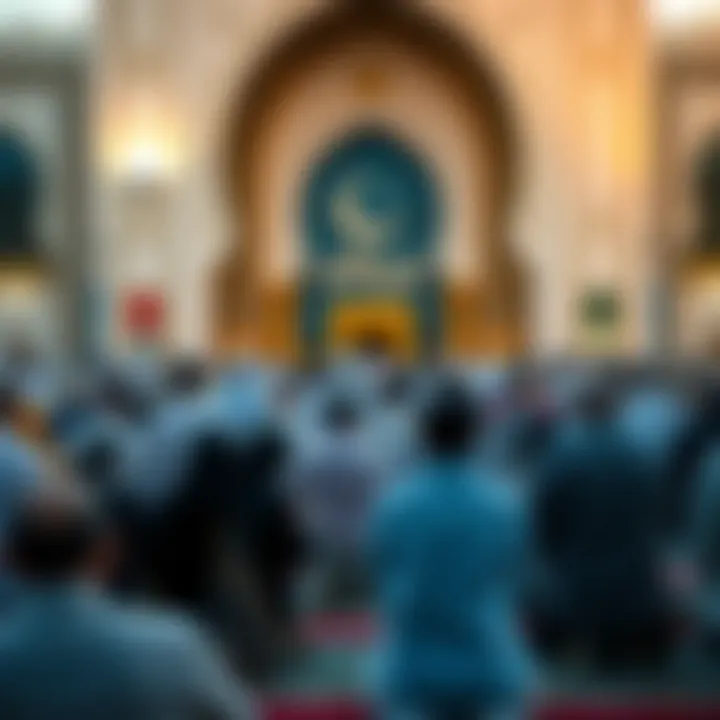
Viewing Ramadan through a global lens reveals the diverse interpretations and practices that exist worldwide, transcending national boundaries. In Indonesia, the world’s largest Muslim-majority country, Ramadan is marked by vibrant street markets bustling with food stalls. In contrast, in Turkey, it may be characterized by community iftars held in public squares, where families and friends gather in numbers.
- Global Celebrations:
- Indonesia: Street bazaars and local specialties.
- Turkey: Community feasts in public spaces.
- Egypt: Cultural nights featuring traditional music and performances.
Observing how Ramadan is honored in various settings can enhance one’s appreciation for this month’s spiritual significance. It also sheds light on the universal themes of patience, charity, and reflection, which resonate across cultures. Ultimately, these alternative observances exemplify that while the core elements of Ramadan maintain consistency, the ways it is celebrated can vary widely, painting a rich tapestry of faith and culture around the globe.
Health Considerations During Fasting
As the holy month of Ramadan approaches, the practice of fasting takes center stage in the lives of millions. This year is no different, as the well-being of those observing this tradition becomes a pivotal point of discussion. Understanding health considerations during fasting is vital, especially in a thriving region like the UAE, known for its diverse population and bustling lifestyle. This section dives into the significance of keeping good health while honoring religious commitments, particularly focusing on dietary habits and medical needs.
Dietary Recommendations for Suhoor and Iftar
Getting the right nutrition is critical in sustaining energy levels throughout a day filled with fasting. Suhoor, the pre-dawn meal, acts as the foundation of one's fasting strength. Ignoring this meal can lead to fatigue and lapses in concentration as the day progresses. Ideally, this meal should prioritize foods that provide sustained energy, such as whole grains, protein-rich items, and healthy fats. Some good choices include:
- Oatmeal with nuts and fruits offers fiber to maintain fullness.
- Eggs provide high-quality protein, which is crucial for repairs in the body.
- Fruits like bananas deliver quick energy while being rich in potassium, a key electrolyte.
On the other hand, Iftar, the meal to break the fast, should not focus solely on indulgence. Traditionally, the fast is often broken with dates and water—a habit endorsed by the Prophet Muhammad. Here's a neat way to structure your Iftar meal:
- Start with dates and water to gently restart your body's intake.
- Follow with a light soup, such as lentil soup, to prepare your stomach for heavier foods.
- Main dishes can include grilled chicken or fish, accompanied by vegetables and whole grains.
Being mindful of portion sizes is equally crucial. Overeating can lead to discomfort and digestive issues, which detract from the spiritual essence of Ramadan. By empowering oneself with nutritious choices, observers can ensure physical readiness for prayers and other responsibilities.
Managing Health Conditions while Fasting
Fasting during Ramadan can pose unique challenges for those with existing health conditions. For individuals with diabetes, hypertension, or other chronic illnesses, it's essential to approach fasting with caution. First and foremost, consulting a healthcare provider is advisable. They can provide personalized advice based on medical history and current health status.
Here are a few tips that can help in navigating fasting while managing health conditions:
- Monitor your health: Regularly check blood sugar levels or blood pressure, adjusting medication as advised by a doctor.
- Stay hydrated: Drink enough water during non-fasting hours to remain hydrated. It's often suggested to aim for at least eight glasses between Iftar and Suhoor.
- Plan meals meticulously: Avoid processed and sugary foods that can cause spikes in blood sugar levels. Instead, focus on whole foods that offer balanced nutrients, promoting overall health.
Observing Ramadan while managing health issues can be an intricate balancing act. However, by practicing careful self-monitoring and tailoring dietary choices, individuals can engage in the spiritual journey of Ramadan without compromising their health.
Health is not just about what you're eating. It's also about what you're thinking and saying.
Ecological Considerations and Ramadan
The observance of Ramadan extends beyond the personal and communal aspects of faith. In today's world, the ecological footprint of our daily actions during this holy month cannot be ignored. The rising awareness around climate change and environmental sustainability is shedding light on how Ramadan practices can either contribute to or mitigate ecological damage. Observing Ramadan in a way that honors both spiritual practices and ecological responsibility is increasingly becoming a topic of interest.
Understanding that consumption patterns often shift during Ramadan, there’s a pressing need to advocate for more sustainable behaviors. People commonly stockpile food for suhoor and iftar, which can lead to significant waste. By focusing on sustainable practices, individuals can not only deepen their connection to their faith but also contribute positively to the planet.
"The spiritual aim is to cleanse the soul, but we must also consider the Earth that is our home."
Sustainable Practices during Ramadan
Implementing sustainable practices during Ramadan can successfully align spiritual observances with ecological considerations. A few practical steps that can be taken include:
- Conscious Meal Planning: Families can reduce food waste by planning meals intelligently. Instead of buying in excess, make a list based on actual consumption needs. This could mean smaller portions, yet making sure everyone enjoys traditional dishes.
- Eco-Friendly Products: Opt for reusable or biodegradable plates and cups for iftar gatherings. Beyond that, using glass or stainless-steel containers for storing food can further minimize plastic waste.
- Energy Efficiency: The nightly Taraweeh prayers occur in congregational settings, leading to increased energy use. Encouraging masjids to use energy-efficient lighting or solar panels during this time can significantly lessen their carbon footprint.
Adopting these practices not only harmonizes with the tenets of Ramadan but also sets a powerful example for future generations.
Community Efforts for Environmental Awareness
Engaging the broader community in efforts toward environmental awareness during Ramadan can amplify the positive impacts of sustainable practices. A few initiatives might include:
- Community Workshops: Local mosques and community centers can host workshops focused on sustainability. These might cover topics such as food waste reduction, recycling, and efficient energy use,
- Awareness Campaigns: Campaigns encouraging composting left-over food can be effective. Sharing tips and resources, whether through social media or community bulletins, can drive home the importance of sustainability during this month.
- Collaborations with Environmental Organizations: Partnering with environmental NGOs can boost awareness. Initiatives such as clean-up drives after Eid can engage the community and create a lasting impression of accountability towards nature.
Through these forms of engagement, community members can work together to foster a sense of shared responsibility. The overlap between faith and ecological responsibility reinforces that caring for the Earth is, in itself, a spiritual practice.
Reflections and Personal Growth During Ramadan
Ramadan isn't just a routine of fasting and prayer; it's a time for folks to take stock of their lives and embrace personal growth. This holy month serves as a prime opportunity for introspection, enabling Muslims to connect more deeply with their spirituality. The reflections that come during these 29 or 30 days bring about tremendous benefits, both on a personal and communal level.
Spiritual Reflection and Self-Discipline
During Ramadan, individuals often take a step back from their everyday busyness to engage in spiritual reflection. This practice can lead to profound insights into one's life, purpose, and the degree to which daily actions align with Islamic values.
The act of fasting itself cultivates self-discipline. When one abstains from food and drink from before dawn till sunset, it not only tests physical endurance but also mental and spiritual strength. It’s the perfect time to refocus energies. People often find that they develop a heightened sense of willpower, making it easier to break bad habits and cultivate positive ones, be it prayer, charity, or simply being kinder to others.
Moreover, engaging in nightly prayers or Taraweeh rounds off the day with spiritual elevation. These moments are more than just rituals; they are opportunities for personal growth. As one immerses oneself in the recitation of the Quran, there’s a chance to digest the meanings and teachings, reflecting on their implications in one’s life.
"Ramadan is a month of blessings, where the soul finds its way back to the path of righteousness, refining our character along the journey."
Balancing Work and Spiritual Obligations
Now, with all these spiritual opportunities, there comes a challenge: balancing work with spiritual obligations. For many, Ramadan coincides with a busy work schedule. Those long hours can sometimes feel like an uphill battle. However, success lies in harmonizing these commitments effectively.
This balancing act can involve a few strategies:
- Flexible Work Hours: Some companies offer altered schedules during Ramadan. Embracing this flexibility can help. Adjusting one's work hours can open time for prayers and relaxation after the day’s fast.
- Prioritizing Tasks: It’s wise to set priorities. Completing crucial tasks before Iftar when energy levels tend to drop can be beneficial.
- Mindful Communication: Informing colleagues about one's fasting status can foster understanding and support in the workplace. This often creates a welcoming environment where everyone appreciates the need for a little grace during the holy month.
Integrating these strategies can make a notable difference. By finding ways to blend spiritual obligations with daily tasks, individuals not only maintain productivity but also nurture their spiritual journey, allowing them to grow in faith and self-awareness during this poignant time.
Ultimately, Ramadan encourages both reflection and action, where personal growth and spirituality go hand in hand, challenging each participant to emerge renewed and revitalized.
Technological Adaptations in Ramadan
In today's fast-paced world, technology plays a crucial role in shaping how individuals observe Ramadan. The integration of advanced technologies during this holy month not only enhances the experience of fasting but also helps to reinforce spiritual practices and foster community connections. This section delves into the significant advancements that influence the way Muslims engage with their faith and daily routines during Ramadan, particularly through the use of mobile applications and online shopping platforms.
Apps for Ramadan Prayer and Fasting
Applications focused on prayer and fasting have surged in popularity, providing valuable tools to help Muslims navigate the unique demands of Ramadan. These apps are more than just digital calendars; they offer features that assist with maintaining the spiritual discipline that fasting entails.
- Prayer Timings: Many apps, such as Muslim Pro and IslamicFinder, provide accurate prayer times based on location. Customized alerts help ensure that users adhere to their spiritual obligations, making it easier to remember important moments like Suhoor and Iftar.
- Quran Recitation: Several applications also facilitate the recitation of the Quran. Users can read along with translations, clarify meanings, and listen to recitations from renowned Qaris. This fosters a stronger connection to the sacred texts during Ramadan, encouraging deeper contemplation.
- Fasting Guidelines: Apps often include dietary recommendations and meal suggestions for Suhoor and Iftar, promoting healthier eating habits during fasting hours. They may also offer tips on hydrating properly, ensuring that the physical challenges of fasting are met thoughtfully.
- Community Engagement: Some platforms allow users to share their Ramadan experiences with friends and family, further fostering a sense of community. Features like virtual Iftar invitations help maintain connections despite geographical separations.
"The advent of technology has transformed the way we experience spiritual fasting. The right apps can make this holy month feel more connected and meaningful."


Online Shopping Trends during the Holy Month
As Ramadan approaches, online shopping dynamics shift notably in the UAE. The hours of fasting impact consumer behavior, leading to a proliferation of e-commerce activities before the Iftar meal. This trend has significant implications for businesses and investors alike.
- Food Delivery Services: The surge in demand for food delivery apps illustrates the change in shopping habits. Increased orders for traditional Iftar meals reveal consumers’ preference for convenience, allowing them to break their fast on time without the hassle of cooking.
- Grocery Shopping: Many families rely on online grocery services to stock up on essentials for Suhoor and Iftar. With platforms like Carrefour and Talabat coming to the forefront, the ease of browsing items and scheduling deliveries plays a pivotal role in meal preparations.
- Promotions and Discounts: Retailers capitalize on the spirit of giving during Ramadan by offering special discounts and packages tailored to this holy month. Consumers are keen on taking advantage of these deals, especially for bulk purchases or festive treats, raising the stakes for e-commerce platforms.
- Investment Opportunities: For investors and business owners, the Ramadan season presents a unique opportunity to tap into this increased demand for certain products and services. The commercial landscape shifts, creating openings for companies that can adapt to the changing needs of consumers.
Exploring Ramadan Foods and Traditions
The month of Ramadan is a tapestry woven with threads of spirituality, community, and rich culinary heritage. Food plays a pivotal role in how this sacred time is experienced, especially in the UAE, where unique cultural practices blend seamlessly with Islamic traditions. The act of breaking your fast at sunset, known as Iftar, is not just a meal—it's a celebration in itself. Family and friends gather, making it a moment of togetherness, reflection, and gratitude.
As we delve into the culinary aspects of Ramadan, we uncover how traditions and dishes not only nourish the body but also feed the soul. From the fragrant spices used in meals to the spirit of sharing food with neighbors, the act of eating during Ramadan is not just about satisfaction but is also a means to foster community bonds and uphold the values of generosity and hospitality.
This exploration is especially relevant for those involved in real estate and community development, as understanding local customs can significantly enhance engagement with clients and the wider social fabric.
Traditional Dishes at Iftar
Iftar meals are characterized by an array of dishes, each holding significance and reflecting both tradition and local flavors. Generally, the day-long fast is broken with dates and water, a practice rooted in the Prophet Muhammad’s tradition. Following this initial act, families often share an assortment of savory and sweet dishes.
Among the most cherished Iftar dishes in UAE homes are:
- Luqaimat: These are small fried dumplings, often drizzled with date syrup, loved for their sweet crunch. They symbolize the joy of breaking fast and are a must-have on most tables.
- Samboosa: Deep-fried pastries filled with a mixture of vegetables or meat, they come in various shapes and symbolize prosperity.
- Harira: A hearty soup made with lentils, chickpeas, and an array of spices, it provides the nourishment needed after a long day of fasting.
- Zaatar Manakish: Flatbreads topped with a mix of zaatar spices bring a local flavor that many look forward to, acting as a perfect appetizer before transitioning to richer dishes.
- Sheer Kurma: A traditional sweet dish made from vermicelli, dates, and milk, it’s served with joy, particularly on Eid, but often finds its way to Iftar as well.
These dishes are just the tip of the iceberg when it comes to the variety available. The joy of preparing Iftar is often seen as a family affair where everyone participates, adding to the collective experience of Ramadan.
Regional Variations in Cuisine
The UAE is a melting pot of cultures, and this diversity is colorfuly reflected in its Ramadan cuisines. While every family has its own spin on traditional dishes, the influence of various cultures also shapes the culinary landscape, especially in cosmopolitan cities like Dubai and Abu Dhabi.
- Levantine Influences: In many homes, you might find Fattoush and Tabbouleh, fresh salads bursting with flavor, invoking the Levantine influence that has found its way into Emirati dining.
- Indian and Pakistani Flavors: Dishes such as Biryani and Nihari are popular, served to fulfill the need for rich, flavorful cuisine post-fasting hours.
- Asian Touch: In some communities, Bubur Lambuk, a type of congee loaded with ingredients, is cherished, illuminating how Asian traditions blend into the local context.
The combination of traditions means that during Ramadan, dining tables can resemble an international buffet, showcasing how food can bridge cultural differences and bring people together. The spirit of sharing and inviting neighbors to partake in the feast further emphasizes the communal experience of Ramadan.
In essence, exploring Ramadan foods is about understanding not just what is eaten but also the sentiment and community woven into every dish. This holistic view can significantly enhance investors' and developers' approaches to community-building initiatives.
Education and Awareness Programs During Ramadan
Educating the public and promoting awareness during Ramadan is crucial for fostering a deeper understanding of the event’s significance in Islamic culture. These programs serve not just the Muslim community, but also aim to engage people from diverse backgrounds, empowering them with knowledge about the traditions and practices that define this holy month.
Workshops and Community Events
Throughout Ramadan, various workshops and community events take place across the UAE to educate individuals about the essence of this month. Residents can participate in gatherings that range from informational lectures to hands-on cooking sessions focused on preparing traditional Iftar meals.
- Cooking Classes: Local chefs and experienced home cooks offer sessions on crafting traditional dishes specific to Ramadan. This not only helps families prepare authentic meals but also instills appreciation for the cultural heritage.
- Interfaith Discussions: Some mosques and community centers organize dialogue sessions that bring together different faiths to discuss Ramadan’s impact and values, fostering mutual respect.
- Charity Drives: Events aimed at collecting food and donations highlight the importance of giving back during Ramadan, encouraging community members to engage in social responsibility.
These gatherings emphasize collective participation and help develop community bonds, making it easier to share the experience of Ramadan while fostering solidarity.
Promoting Understanding of Islamic Practices
Awareness programs play a vital role in demystifying Islamic practices associated with Ramadan. Understanding the rationale behind fasting, prayer, and charity can help non-Muslims and new Muslims alike appreciate the depth of these practices.
Key highlights include:
- Educational Seminars: Hosting seminars where scholars explain the significance and historical context of Ramadan, giving context to the rituals.
- Youth Programs: Specialized initiatives are designed for younger generations, involving fun, engaging methods to learn about Ramadan, such as art competitions or storytelling sessions about the Prophet’s life.
- Resource Centers: Libraries and community centers set up dedicated Ramadan resource sections, featuring literature, pamphlets, and even digital resources to enhance understanding.
"The only way to know someone's heart is to learn their culture and understand their practices. Ramadan is rich with lessons, beyond fasting. Learning is key!"
By focusing on education and awareness, the community can create a more inclusive environment during Ramadan. This multifaceted approach ensures that the blessings of this holy month resonate widely, encouraging not just observance, but a heartfelt participation in the spirit of Ramadan.
For more information on Ramadan and its significance, consider visiting:
By integrating these educational initiatives effectively, communities can move towards a more harmonious coexistence, reflecting the very essence of Ramadan.
Challenges Faced by Residents During Ramadan
Ramadan presents unique challenges for residents in the UAE, as this holy month alters the daily rhythm of life significantly. Each year, the period of fasting prompts adjustments not only in personal and family schedules but also within workplaces and the broader community. This section delves into these challenges, shedding light on two primary concerns: adapting to changed work hours and managing daily routines.
Adjusting to Changed Work Hours
One of the most noticeable challenges during Ramadan is the shift in work hours. Many businesses in the UAE modify their operation times to accommodate the fasting schedule. Commonly, the workday is shortened, with offices opening later and closing earlier. For instance, rather than the usual nine-to-five schedule, employees might find themselves working from ten in the morning until three in the afternoon. This alteration can lead to confusion and may require time for adjustment.
This change isn't just an inconvenience; it can have significant implications for employee productivity, as adapting to new hours might affect work-life balance. Some employees might struggle to adjust to the abrupt shift in routine, leading to fatigue as they balance fasting and professional duties.
- Maintaining focus at work can be tougher with intermittent energy levels.
- Breaks might be needed more frequently, which could disrupt workflows.
Additionally, for those in industries that deal directly with customers—like retail and hospitality—the adjustments can be more complex, as customer expectations don’t always align with the changed hours.
Maintaining Daily Routines
Another aspect that adds to the challenge is the struggle to maintain daily routines. Fasting from sunrise to sunset influences not just eating habits but also sleep patterns. Many individuals find themselves staying up late for Iftar and then waking up early for Suhoor, drastically reducing their hours of sleep. The disruption in sleep can lead to a decline in physical health and mental clarity, creating a cycle that can be difficult to break.
Moreover, many people need to juggle multiple responsibilities during this month:
- Family gatherings after Iftar can disrupt studying or project deadlines.
- Social engagements, while fulfilling, can lead to overstretching one’s personal boundaries, impacting health and productivity.
Adjusting social life while adhering to the practices of Ramadan adds another layer of complexity. The challenge lies in creating a balance between spiritual observances and necessary daily tasks. Failure to navigate these challenges can result in a sense of being overwhelmed, ultimately detracting from the spiritual rewards that Ramadan is meant to offer.
"During Ramadan, the body goes through a transformation, and with it comes a need to navigate changes in almost every aspect of daily life."
Navigating the challenges presented during Ramadan requires flexibility and understanding, urging individuals to find ways to balance their spiritual, social, and professional lives. Recognizing these challenges lays the groundwork for personal growth and fulfillment in a month dedicated to reflection, community, and introspection.
The End: The Multifaceted Experience of Ramadan
Ramadan is more than just a month designated for fasting; it's a tapestry woven with threads of spirituality, community, and personal transformation. In the UAE, this holy month takes on unique dimensions that can shape the experiences of its residents and visitors alike. The importance of understanding how Ramadan integrates into everyday life cannot be understated, particularly for various stakeholders such as investors, real estate agents, and homeowners looking to tap into the nuanced dynamics of this period.
Integration of Ramadan into Daily Life
Integrating Ramadan into daily life in the UAE presents both challenges and opportunities. For many, this month serves as a time for personal reflection and self-improvement. The very rhythm of life changes; work hours may be adjusted, schools may alter their schedules, and shops often shift their timetables, reflecting the emphasis on communal evening meals and prayers.
"Ramadan is a month to nourish the soul, but also one to be mindful of the world around us."
- Workplace Adjustments: Employers often offer flexible working hours to accommodate employees’ fasting schedules. Some businesses even introduce shorter workdays, which can benefit overall productivity. This change fosters an environment where employees can balance their spiritual obligations with professional responsibilities.
- Community Involvement: Community centers and mosques thrive during this month, hosting iftars that draw everyone together—Muslims and non-Muslims alike. It provides a communal space for fostering understanding and harmony among diverse cultures found in the UAE.
- Reinforcing Traditions: Traditional activities like nightly prayer (Taraweeh) invite participation beyond just immediate family. For many, it's also an opportunity to volunteer or engage in charity projects that benefit the less fortunate. This altruistic spirit not only adds depth to personal faith but also strengthens social bonds within communities.
- Culinary Experience: Suhoor and iftar become focal points of daily life, where families gather to break their fasts together. This period encourages culinary explorations—be it preparing traditional dishes like Harees or experimenting with modern recipes utilizing seasonal ingredients. These meals are not just about satisfying hunger; they serve as an anchor for family cohesion and cultural heritage.